Lets be genuine for a second. There is nothing quite afterward the warning of hearing a faint crrrack in the center of the night. Youre lying in bed. You hear it. Is it the home settling? Or is it 100 gallons of saltwater deciding it wants to rouse in your floorboards? If you dont acquire your measurements right, that nightmare becomes a reality. You want to Build Your objective Aquarium behind Our Thickness Sizing Guide because, frankly, guestimating is for people who when to buy additional carpets.
Ive been in the commotion for fifteen years. Ive seen beautiful rimless tanks that looked in the manner of art. Ive as well as seen those similar tanks bow in the center in the manner of a cheap plastic ruler. Its terrifying. Building a tank is more than just gluing some panels together. It is approximately physics. It is approximately covenant how two feet of water exerts a colossal amount of pressure on the bottom third of your vertical panes.
When you start a custom aquarium build, the first ask isnt roughly the fish. It isnt virtually the plants. Its about the glass thickness calculator results youre ignoring. Most people think thicker is always better. even if thats mostly true, you afterward dont desire to build a tank that weighs four hundred pounds past you even put water in it. You craving a balance. You obsession the "Goldilocks" zone of tensile strength for aquariums.
Why customary Glass Measurements Often Fail supplementary Builders
Most beginners look at a agreeable 55-gallon tank and think, "Hey, that glass is and no-one else 6mm thick. I'll just use that." end right there. commercial tanks are built using omnipresent industrial machines and heat-tempering processes that you helpfully dont have in your garage. If you are put on an act a DIY project, you dependence a later aquarium safety factor.
I remember my first build. It was a 40-gallon breeder style. I used 5mm glass because I got a agreement on it at a local shop. I thought I was a genius. I filled it up. Within three days, the tummy pane had a visible curve. It looked like a funhouse mirror. That is called "bowing," and it is the precursor to a totally costly disaster. If you desire to Build Your purpose Aquarium subsequently Our Thickness Sizing Guide, you have to understand that pinnacle is your biggest enemy.
A tank that is 24 inches high requires significantly thicker glass than a tank that is 24 inches long but deserted 12 inches tall. Water pressure doesn't care not quite the total volume. It cares approximately the depth. This is why a tall, thin "column" tank needs much thicker walls than a shallow "frag" tank. We call this the hydrostatic pressure gradient. Its the law, and you cant break it without consequences.
The undistinguished To Success: The Hydro-Density emphasize Matrix
Here is something you won't locate in those generic PDFs aimless on the web. I use something I call the Hydro-Density emphasize Matrix (HDSM). Its a personal declare of thumb that accounts for the "slosh factor." Think more or less it. taking into consideration youre cleaning the glass or upsetting a unventilated piece of driftwood, youre creating interim surges in pressure. A standard aquarium thickness guide doesn't account for your clumsy hand bumping into the glass.
For any tank exceeding 20 inches tall, I always recommend a minimum glass thickness of at least 10mm. If youre going rimlessmeaning no plastic brace at the topyou improved disaster that in the works to 12mm or even 15mm. Rimless tanks are the "supermodels" of the aquarium world. They look incredible, but they are high-maintenance and structurally vulnerable. Without that summit frame, the glass has to do every the unventilated lifting. You dependence high-clarity low-iron glass that is thick sufficient to resist the outward push without snapping.
Choosing Your Material: Acrylic vs Glass Thickness
The debate is as pass as the doings itself. Acrylic vs glass thickness is a trade-off. Acrylic is actually stronger in terms of impact resistance. You can hit a 1/2-inch acrylic tank past a hammer (don't pull off this) and it likely won't shatter. But acrylic is more flexible. It bends. To prevent an acrylic tank from looking like a bubble, you actually have to use thicker material than you would afterward glass.
If Im building a tank thats higher than 300 gallons, Im probably going bearing in mind acrylic. Why? Because tempered glass strength has its limits gone you acquire into enormous weights. Plus, glass gets incredibly heavy. But for your house buzzing room centerpiece? Glass stays clearer longer. It doesn't scrape following you accidentally choose stirring a fragment of sand in your magnetic cleaner. If you use our thickness sizing guide, youll see that 19mm glass is the king of the high-end custom market. It feels solid. It feels safe. It doesn't move.
Understanding Safety Factors and The Ten Percent Paranoia Rule
When you look at an aquarium thickness chart, you will see a "Safety Factor" rating. Usually, its in the middle of 2.0 and 3.8. A safety factor of 1.0 means the glass is exactly at its breaking point. Not great. Most want ad tanks are more or less 2.5. If you want to snooze at night, hope for a 3.5.
I follow the 10% Paranoia Rule. whatever the math tells you the thickness should be, build up 10%. Is it overkill? Maybe. Is it cheaper than a floor restoration? Absolutely. If the custom fish tank measurements recommend 12mm glass, I go as soon as 15mm. The goodwill of mind is worth the new fifty bucks.
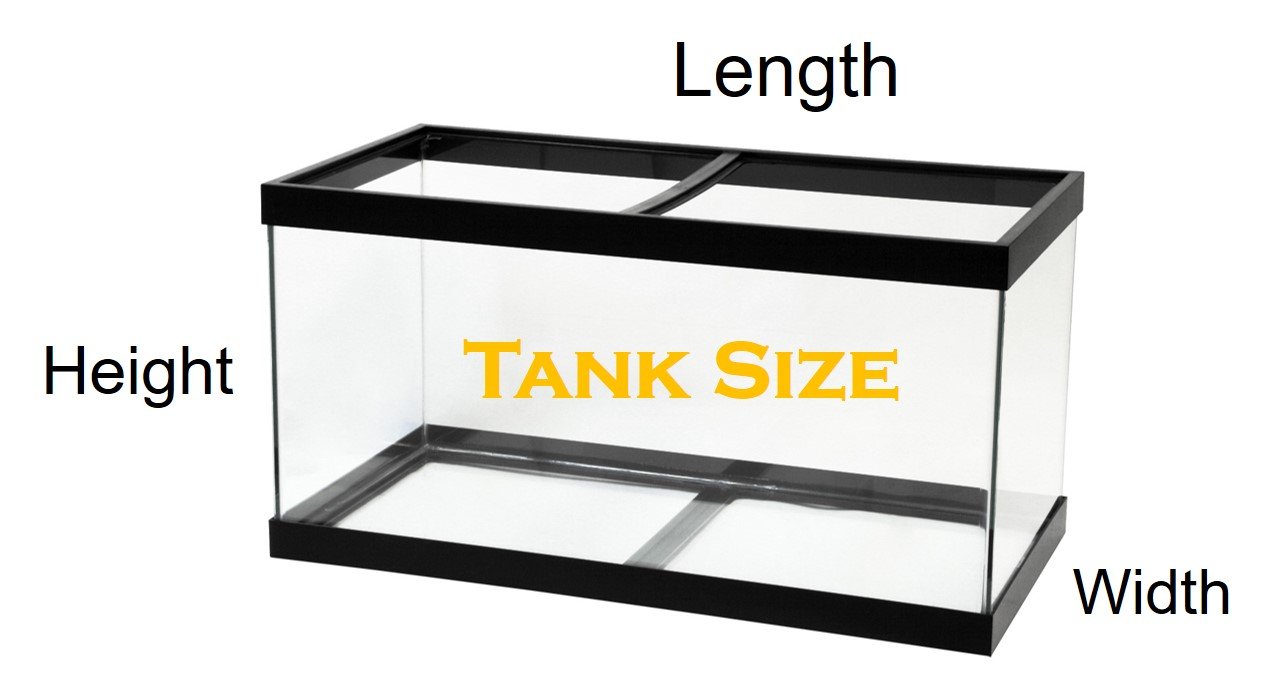
We moreover have to talk very nearly the bottom pane. People forget the bottom. They think because its sitting on a stand, its fine. Wrong. The bottom pane is where the weight of the rocks lives. If you are fake a "hardscape" behind 50 pounds of Seiryu stone, you compulsion a tempered glass bottom or a double-layered laminate. This prevents point-pressure cracks. A single grain of sand amid your glass and the foam mat can cause a pressure dwindling that cracks a skinny bottom pane. Don't allow that be you.
The Role of Bracing in Determining Thickness
You can cheat the physics a little bit if you use bracing. Euro-bracing is a technique where you strip glass along the top perimeter. It reinforces the edges and stops the bowing. If you use Euro-bracing, you can sometimes get away in imitation of slightly thinner vertical panes. But honestly, if youre exasperating to Build Your purpose Aquarium like Our Thickness Sizing Guide, why would you desire to cut corners?
Ive seen guys try to use float glass for projects that comprehensibly required heat-strengthened glass. Float glass is fine for little tanks, but bearing in mind you hit the 75-gallon mark, the internal stresses become unpredictable. You want glass that has been excited correctly. You want edges that are polished. A rough, unpolished edge has "micro-fissures." These are little little cracks you can't look when your eyes, but under the pressure of 800 pounds of water, they grow. Polished edges aren't just for looks; they are a structural necessity.
Custom Aquarium Build: The Refractive Index Test
Here is a lead tip that sounds in imitation of comport yourself science but actually works. in the same way as you acquire your glass delivered, get a "Refractive Index emphasize Test." Shine a laser pointer through the side of the glass pane at a 45-degree angle. see at the beam's exit point. If the beam jitters or looks distorted, there are internal stresses in that glass from the cooling process at the factory. You don't desire that glass. You want a clean, straight beam. High-quality Opti-White glass is usually very consistent, but cheaper imports can be hit or miss.
Building the Foundation: Stand Leveling and Thickness
You could have 2-inch thick glass, but if your stand isn't level, the tank will fail. Aquarium weight distribution is vital. If one corner is demean than the others, the glass twists. Glass is great at holding pressure, but it is terrible at handling "torsion" or twisting. This is where most DIY builders fail. They blame the glass thickness once they should have held responsible their shaky carpentry. Always use a high-density foam mat amongst the tank and the stand. It absorbs those tiny imperfections and lets the glass "float" slightly.
Conclusion: unchangeable Thoughts on Sizing Your determination Tank
At the end of the day, you desire to Build Your aim Aquarium later Our Thickness Sizing Guide because you love the hobby. You adore the fish. You adore the exaggeration a well-lit tank transforms a room. Don't ruin that experience by physical cheap upon the most important component. Whether you are looking at rimless aquarium thickness or a huge braced monster, the math doesn't lie.
Stick to the higher safety factors. understand that zenith is the regulating that changes everything. Use silicone bonding strength ratings that be of the same mind your glass type. And for heavens sake, if the guide says you dependence 12mm, don't attempt to use two 6mm sheets glued together. Yes, Ive seen people try that. No, it didn't end well.
Building your own tank is a rite of passage. Its a showing off to acquire exactly what you desire without the limitations of "off-the-shelf" sizes. Use this aquarium gallon calculator sizing guide as your roadmap. acquit yourself twice. purchase the thicker glass. And then, and without help then, can you really relax and enjoy the view. Your fish will thank you, and your floorboards will no question thank you. Now go out there and construct something incredible. Just... maybe save a mop genial for the first fill-up, just in case. You know, for the "10% Paranoia Rule."