Lets be honest for a second. There is nothing more terrifying than the hermetically sealed of a crack at three oclock in the morning. Ive been there. I subsequently built a custom forty-gallon breeder using leftover sheets I found in a garage. I didnt use a calculator. I used vibes. Three weeks later, my carpet was an indoor swamp and my prize-winning cichlids were produce an effect their best impressions of house animals. That is exactly why the Einstapp Aquarium Acrylic Calculator: Determine Right Material Requirements exists. It isn't just approximately avoiding a mess. It is more or less the math of containment. If you are planning a build, you habit to stop guessing.
So, why acrylic? People adore to argue approximately glass anti plastic. Look, glass is fine if you enjoy lifting oppressive things and distressing just about shattering. But for the genuine hobbyist, acrylic is king. It is clearer, its a bigger insulator, and its practically seventeen times stronger than glass. However, that strength is unaided an advantage if you choose the right material requirements for your specific build. If the walls are too thin, they bow. If they are too thick, youre just setting maintenance on fire. The Einstapp Aquarium Acrylic Calculator is the bridge amid a dangerous guess and a professional-grade installation.
The Hidden Math behind Your dream Tank
Most people think that the volume of water determines how thick the walls dependence to be. Thats a rookie mistake. Water doesn't care if its in a lake or a pipe; it and no-one else cares roughly depth. The vertical pressure at the bottom of a high tank is significantly highly developed than a long, shallow one, even if they retain the thesame amount of water. This is where you obsession to calculate acrylic tank thickness when precision.
The Einstapp Aquarium Acrylic Calculator uses a proprietary algorithm that accounts for more than just height. It looks at the "L/H Ratio"the length-to-height relationship. in the manner of you input your dimensions, the tool isn't just crunching numbers; its simulating the structural draw attention to upon the seams. I recall talking to a professional tank builder in Florida who told me just about the "Ghost Bow" effect. Thats considering the acrylic looks good but has micro-thinned in the center. By the become old you see it, it's too late. Using a reliable acrylic thickness tool prevents this from the jump.
Now, let's talk about the Einstapp specific safety factors. Most calculators use a usual 2.0 safety margin. Thats... okay, I guess? If you taking into consideration active upon the edge. Einstapp defaults to a 3.5 "Total good relations of Mind" variable. This accounts for the outrage degradation of the material higher than years of UV exposure to air and salt-water interaction. subsequent to you determine right material requirements, you arent just building for today. Youre building for the year 2030.
How to Use the Einstapp Aquarium Acrylic Calculator for Success
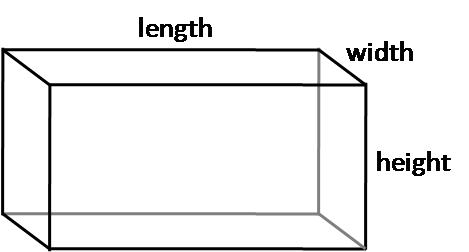
Using the tool is actually pretty intuitive, which is kind because I despise manuals. First, you compulsion your raw dimensions. Dont circular down. If your look is 48.5 inches, put in 48.5. The Einstapp Aquarium Acrylic Calculator asks for your length, width, and desired water height.
Here is a benefit tip: Don't calculate based on the total pinnacle of the tank if you plan on having a four-inch sober zone at the top. But, honestly? Just calculate for the full summit anyway. Its improved to have a tank that's over-engineered than one thats crying below the pressure. The calculator will then spit out a guidance for the acrylic sheet thickness. Usually, for a usual 100-gallon long, youre looking at something approximately 1/2 inch (12mm). But if you go taller, tell 30 inches or more, youre immediately in the 3/4 inch (19mm) territory.
One feature I loveand I havent seen this elsewhereis the "Dynamic Flex Margin." It tells you exactly how much the center of the longest pane will bulge below full load. If the Einstapp Aquarium Acrylic Calculator says your flex is higher than 0.02 inches, it might suggest a summit brace or a thicker sheet. Its considering having a structural engineer sitting right adjacent to you, minus the expensive hourly rate and the condescending tone.
Why Acrylic Material Requirements situation More Than Your Budget
I acquire it. Acrylic is expensive. once you see the price difference between 1/4 inch and 1/2 inch sheets, your billfold starts to sweat. But here is the thing: a custom acrylic fish tank is an investment. If you skimp on the right material requirements, you are essentially buying a very costly ticking become old bomb.
There is plus the concern of the type of acrylic. The Einstapp Aquarium Acrylic Calculator often recommends "Cell Cast" more than "Extruded" for all larger than a desktop nano-tank. Why? Because extruded acrylic has internal stresses from the manufacturing process. considering you hit it with solvent or weight, it can "craze"those tiny little spiderweb cracks that ruin your view. Cell cast is taking into consideration the ribeye steak of the plastic world. Its stable, clear, and handles the aquarium acrylic load once a champ.
I later knew a guylets call him Stevewho tried to build a 200-gallon innate using extruded sheets he got on clearance. He thought he could outsmart the physics. He didn't use an acrylic thickness calculator. He used his "gut." His gut was wrong. The tank didn't burst, but it bowed as a result badly it looked considering a literal bubble. He couldn't even put a lid on it. sum waste of three grand. Don't be Steve. Use the Einstapp tool to determine thickness and glue to the recommendations.
The Science of Aquarium Acrylic Thickness and Long-Term Durability
We need to talk more or less the "Creep Factor." No, not the boy looking at your tank through the window. "Creep" is a complex term for how plastic deforms more than era under a constant load. Even if your tank doesn't rupture on daylight one, a sheet that is too skinny will slowly stretch. This is why the Einstapp Aquarium Acrylic Calculator: Determine Right Material Requirements is fittingly crucial. It factors in the long-term tensile strength of the polymer chains.
If youre building a reef tank, you along with have to judge heat. High-intensity LED lights and pumps can lift the local temperature of the acrylic. Warmer plastic is more flexible. The Einstapp calculator has a air for "Ambient functional Temperature." Its a small detail, but it changes the recommended acrylic gauge. This level of detail is why this tool is the gold suitable for DIY enthusiasts and professionals alike.
Also, regard as being the bonding agent. behind you're bonding acrylic sheets, the thickness of your material determines the surface place of your joint. A thicker sheet means a wider "weld." Using the right material requirements ensures that your seams are actually stronger than the sheets themselves.
Mistakes I Made suitably You Don't Have To: My DIY Fish Tank Journey
My first "real" construct was a 75-gallon rimless. Rimless tanks are the ultimate exam of aquarium acrylic thickness. Without a summit frame to hold the walls together, the acrylic has to reach all the stuffy lifting. I used a generic calculator that told me 3/8 inch was fine. It wasn't. The bowing was as a result pronounced that I was scared to wander gone it.
I drained it and started over. This time, I used the Einstapp Aquarium Acrylic Calculator. It told me I needed 1/2 inch following a specific 2-inch perimeter brace if I wanted to stay "rimless-style" but safe. The difference was night and day. The tank was rock solid. The seams looked with crystal.
The lesson here is that the Einstapp aquarium liter calculator Acrylic Calculator: Determine Right Material Requirements isn't just roughly the sheets. Its just about the sum up system. It helps you consider if you compulsion a "Euro-brace" (that strip of acrylic not far off from the summit edge) or if you can fly solo following thicker vertical panes. It takes the "maybe" out of the equation.
Calculating Safe Aquarium Load Weights and Support
A common oversight like using an acrylic thickness tool is forgetting more or less the weight of the water itself. Water weighs practically 8.34 pounds per gallon. in the manner of you build up rocks, sand, and that enormous piece of driftwood you found, youre looking at a huge amount of downward force.
While the Einstapp Aquarium Acrylic Calculator primarily focuses on the walls, it afterward provides a "Bottom plate make more noticeable Test." This is vital. If your stand isn't perfectly level, or if the bottom sheet is too thin, the pressure will locate the weakest point. Usually, thats a corner seam. By ensuring you have the right material requirements for the bottom paneoften suggestively thicker than the sidesyou protect the structural integrity of the entire unit.
Ive seen people use 1/4 inch for the bottom of a 50-gallon tank because "its sitting upon wood." Yeah, until that wood warps by a millimeter. Then, pop. Using the Einstapp calculator forces you to think approximately these variables. Its nearly building a fortress for your fish, not a fragile glass box.
Final Thoughts upon the Einstapp Aquarium Acrylic Calculator
At the end of the day, the action is supposed to be fun. Its roughly the fish, the plants, and the zen of a heartwarming ecosystem. It is not supposed to be practically checking your floorboards for leaks every hour. Using the Einstapp Aquarium Acrylic Calculator: Determine Right Material Requirements gives you that harmony of mind.
Its an easy-to-use, data-driven, and honestly, a life-saving tool for any DIY builder. Whether youre building a little betta tank or a loud 500-gallon monster, the principles of physics dont change. You need the right thickness, the right material, and a healthy safety margin.
Don't allow the cost of materials distress signal you into making a mistake. Its much cheaper to purchase the right 1/2 inch sheet now than it is to replace your flooring and your entire livestock amassing later. Trust the math. Trust the Einstapp Aquarium Acrylic Calculator. Your fishand your downstairs neighborswill thank you for it.
Now, go get those dimensions, head more than to the calculator, and start building something amazing. Just remember: put on an act twice, use the Einstapp calculator once, and maybe stay away from the "vibes" door to engineering. It rarely ends well. build it strong, build it clear, and build it right. That is the Einstapp way.